Gordon & Durrenberger Family History
families from Galloway, Scotland and Allgäu, Germany
Records, Notes, and Images – Person Page 498
Records, Notes, and Images – Person Page {0}
Margaret MacDonald Gordon
#12426, Deceased, (1900 - 1985)
| Relationship | 1st cousin 2 times removed of Warren McKean ("Sandy") Gordon, III, |
Parents
| Father | William Gordon (1860 - 1932) |
| Mother | Charlotte Elvira Baker (1876 - 1944) |
Children with Col. John Henry 'Jack' Jenkins (1898 - 1977)
| Daughter | Elizabeth Jenkins |
| Son | William John Jenkins |
| Person appears on these charts and lists: | Descendants of David James McNay Descendants of Samuel Gordon Gordon Descendants for Six Generations |
| Gordon Family Lineage: | William Gordon5, James Gordon4, William Gordon3, James Gordon2, Samuel Gordon, of Dromore1 |
| Last Edited | 3 May 2024 |
Family Explorer
Photo Gallery
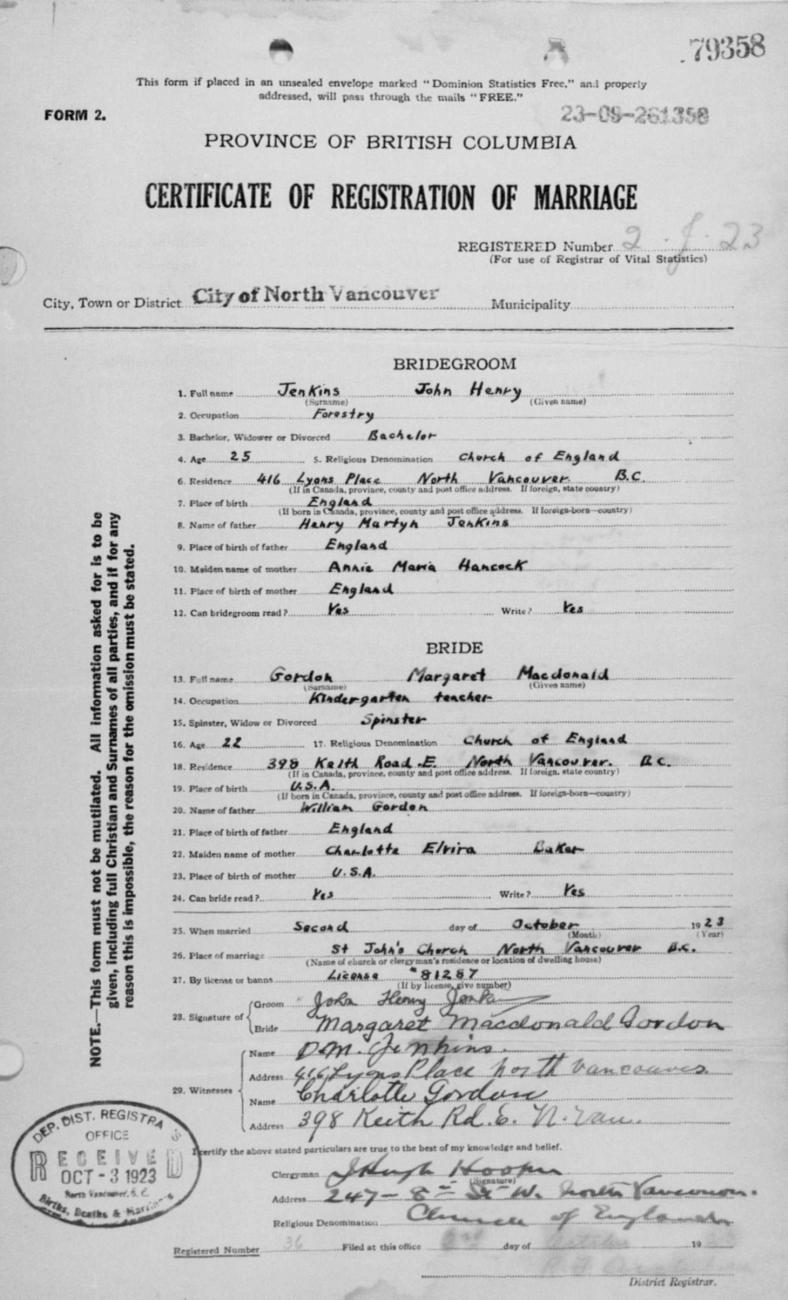
John Henry Jenkins and Margaret M Gordon Marriage 1923
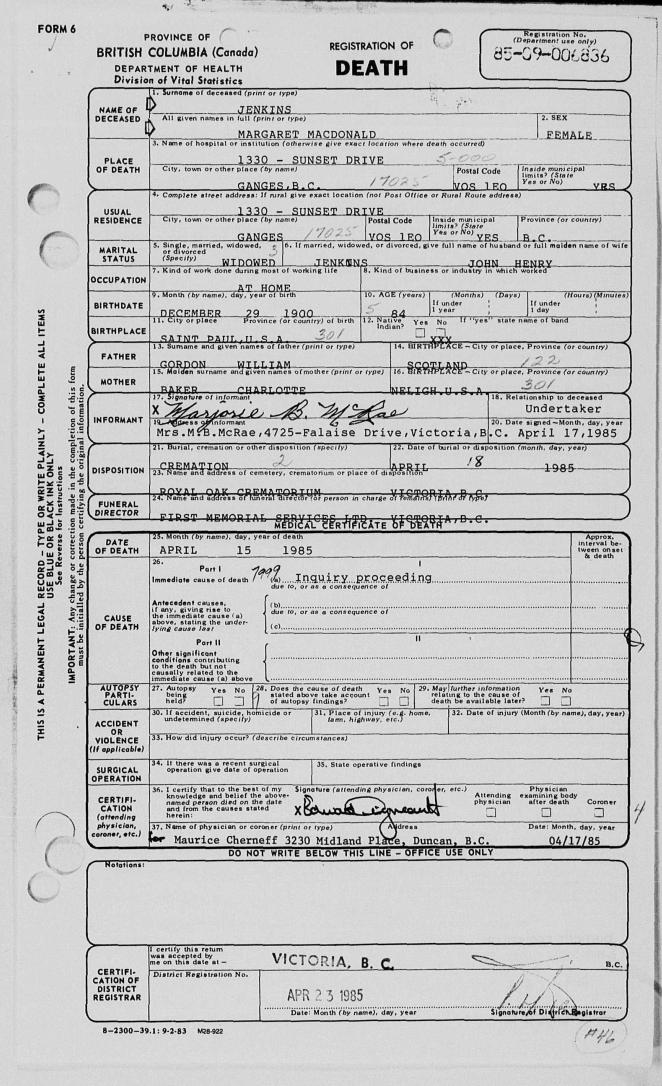
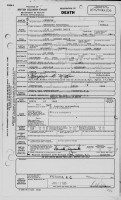
Margaret MacDonald Gordon death certificate 1985
Events and Notes
- 1900
- 1902~2
- 1921~21
- 1923~23
- 192322Marriage | Col. John Henry 'Jack' Jenkins
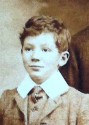 Col. John Henry 'Jack' Jenkins and she were married on 2 Oct 1923 at Saint John's Anglican ChurchG, in North Vancouver, British Columbia, CanadaG.Citation: 3
 - 192322Note23-09-261352 - John Henry JENKINS, 25, forestry, England, North Vancouver, s/o Harry Martyn JENKINS & Annie Maria HANCOCK, both b. England, married Margaret Macdonald GORDON, 22, teacher, USA, North Vancouver, d/o William GORDON b. England & Charlotte Elvira BAKER b. USA, witn: D.M. JENKINS & Charlotte GORDON, both of North Vancouver, 2 Oct. 1923 at St. Johns Church, North VancouverCitation: 3
- 193231Death of Parent | William GordonHer father William Gordon died on 16 May 1932 in North Vancouver, British Columbia, CanadaG.
- 194443Death of Parent | Charlotte Elvira BakerHer mother Charlotte Elvira Baker died on 12 Nov 1944 in North Vancouver, British Columbia, CanadaG.
- 197776Death of Spouse | Col. John Henry 'Jack' JenkinsHer husband Col. John Henry 'Jack' Jenkins died on 7 Nov 1977 in Ottawa, Ontario, CanadaG.
- 198584
- 1985
Census and Residence Events
- 191110Census1911CA | William GordonMargaret was enumerated as the daughter of William Gordon on the 1911 Canada Census in Vancouver, British Columbia, CanadaG. She was 10 years old.
Also residing in the same household were Charlotte Elvira Baker and Katharine McKeen Gordon.Citation: 4 - 192120Census1921CA | William GordonMargaret was enumerated as the daughter of William Gordon on the 1921 Canada Census residing at 398 Keith RoadG, in North Vancouver, British Columbia, CanadaG. She was 20 years old.
Also residing in the same household were Katharine McKeen Gordon and Charlotte Elvira Baker.Citation: 1 - 1935~35
- 1945~45
- 1985~85
Citations
Katharine McKeen Gordon
#12427, Deceased, (1907 - 1984)
| Relationship | 1st cousin 2 times removed of Warren McKean ("Sandy") Gordon, III, |
Parents
| Father | William Gordon (1860 - 1932) |
| Mother | Charlotte Elvira Baker (1876 - 1944) |
Children with Alfred Ernest Crickmay (1906 - 1959)
| Daughter | Patricia Margaret Crickmay (1939 - 1993) |
| Daughter | Katherine Gail Crickmay (1941 - 1988) |
| Son | Geoffrey Gordon Crickmay (Abt 1945 - ) |
| Person appears on these charts and lists: | Descendants of David James McNay Descendants of Samuel Gordon Gordon Descendants for Six Generations |
| Gordon Family Lineage: | William Gordon5, James Gordon4, William Gordon3, James Gordon2, Samuel Gordon, of Dromore1 |
| Last Edited | 3 May 2024 |
Family Explorer
Photo Gallery
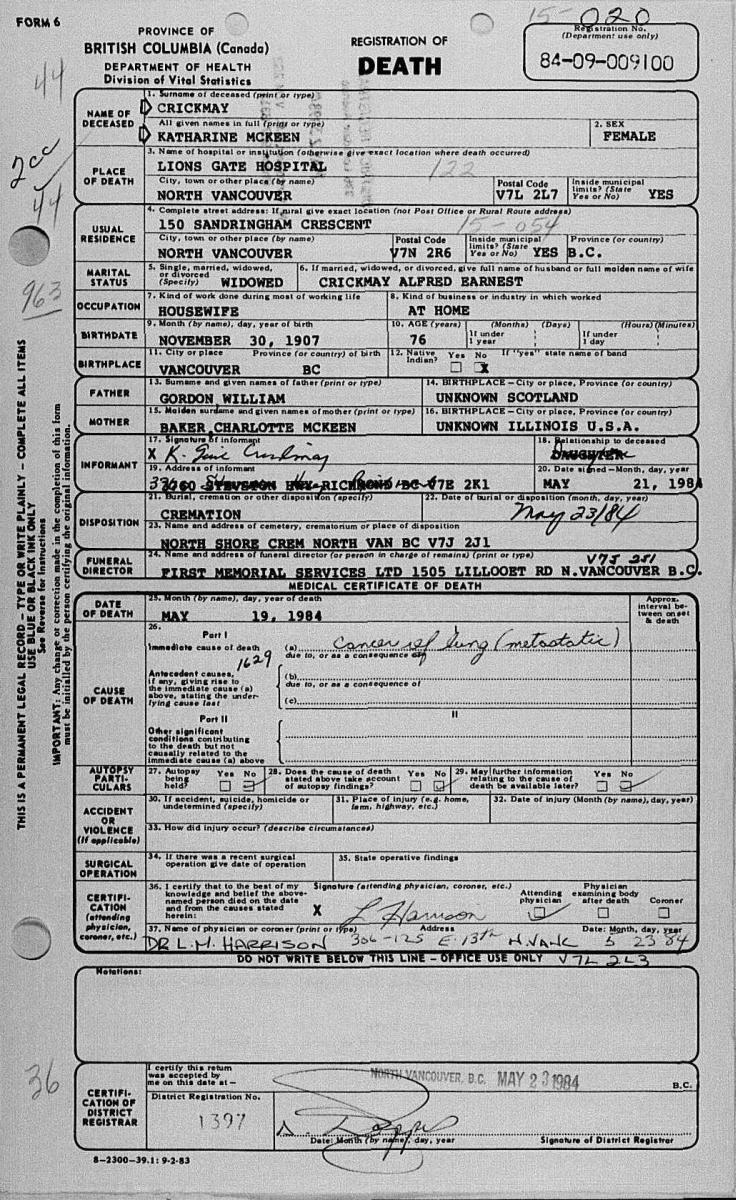
Katherine McKean Gordon death certificate 1984
Events and Notes
- 1907
- 1921~14
- 193224Death of Parent | William GordonHer father William Gordon died on 16 May 1932 in North Vancouver, British Columbia, CanadaG.
- 193729Marriage | Alfred Ernest CrickmayAlfred Ernest Crickmay and she were married on 30 Sep 1937 in North Vancouver, British Columbia, CanadaG.
- 193931Birth of Child | Patricia Margaret CrickmayHer daughter Patricia Margaret Crickmay was born on 22 May 1939 in North Vancouver, British Columbia, CanadaG.
- 194133Birth of Child | Katherine Gail CrickmayHer daughter Katherine Gail Crickmay was born on 11 Feb 1941 in North Vancouver, British Columbia, CanadaG.
- 194436Death of Parent | Charlotte Elvira BakerHer mother Charlotte Elvira Baker died on 12 Nov 1944 in North Vancouver, British Columbia, CanadaG.
- 1945~38Birth of Child | Geoffrey Gordon CrickmayHer son Geoffrey Gordon Crickmay was born abt 1945 in North Vancouver, British Columbia, CanadaG.
- 194537Psgr List | Alfred Ernest CrickmayShe was listed, along with Alfred Ernest Crickmay, on a passenger list on 15 Aug 1945 in Vancouver, British Columbia, CanadaG.Citation: 3
- 195951Death of Spouse | Alfred Ernest CrickmayHer husband Alfred Ernest Crickmay died on 19 Sep 1959 in North Vancouver, British Columbia, CanadaG.
- 198476
- 198476
- 1984
Census and Residence Events
- 19113Census1911CA | William GordonKatharine was enumerated as the daughter of William Gordon on the 1911 Canada Census in Vancouver, British Columbia, CanadaG. She was 3 years old.
Also residing in the same household were Charlotte Elvira Baker and Margaret MacDonald Gordon.Citation: 5 - 192113Census1921CA | William GordonKatharine was enumerated as the daughter of William Gordon on the 1921 Canada Census residing at 398 Keith RoadG, in North Vancouver, British Columbia, CanadaG. She was 13 years old.
Also residing in the same household were Margaret MacDonald Gordon and Charlotte Elvira Baker.Citation: 1 - 1972~65ResidenceShe lived at 150 Sandringham CrescentG, in North Vancouver, British Columbia, CanadaG, in 1972.
Patricia Margaret Crickmay also lived in the same household.Citation: 6 - 1984~77
Citations
William Louis Baker
#12428, Deceased, (1849 - )
Children with Sarah E. Palmer (1853 - )
| Daughter | Bessie Louise Baker+ (1874 - 1972) |
| Daughter | Charlotte Elvira Baker+ (1876 - 1944) |
| Son | Ralph William Baker+ (1877 - 1956) |
| Son | Ray Jerome Baker+ (1880 - 1972) |
| Son | Earl Palmer Baker+ (1882 - 1979) |
| Son | William Baker (1884 - 1884) |
| Last Edited | 14 May 2024 |
Family Explorer
Photo Gallery

Events and Notes
- 1849
- 187323Marriage | Sarah E. PalmerHe and Sarah E. Palmer were married on 7 Feb 1873 in Winnebago County, Illinois, United StatesG.
- 187424Birth of Child | Bessie Louise BakerHis daughter Bessie Louise Baker was born on 8 Aug 1874 in Rockford, Winnebago, Illinois, United StatesG.
- 187626Birth of Child | Charlotte Elvira BakerHis daughter Charlotte Elvira Baker was born on 20 Jan 1876 in Owen Township, Winnebago, Illinois, United StatesG.
- 187728Birth of Child | Ralph William BakerHis son Ralph William Baker was born on 11 Oct 1877 in Owen Township, Winnebago, Illinois, United StatesG.
- 188031Birth of Child | Ray Jerome BakerHis son Ray Jerome Baker was born on 1 Dec 1880 in Owen Township, Winnebago, Illinois, United StatesG.
- 188232Birth of Child | Earl Palmer BakerHis son Earl Palmer Baker was born on 26 Aug 1882 in Waltham, Mower, Minnesota, United StatesG.
- 188434Birth of Child | William BakerHis son William Baker was born on 10 Jul 1884 in Mower County, Minnesota, United StatesG.
- 188434Death of Child | William BakerHis son William Baker died on 30 Jul 1884 in Mower County, Minnesota, United StatesG.
- 1900~51
- 192070Marriage | Mabel June AllenHe and Mabel June Allen were married on 22 May 1920 in Greene, Iowa, United StatesG.
- 1963113Death of Spouse | Mabel June AllenHis wife Mabel June Allen died on 3 Sep 1963 in Nebraska, United StatesG.
Census and Residence Events
- 188030Census1880William Louis Baker was enumerated as the head of the household on the 1880 US Census in Owen, Winnebago, Illinois, United StatesG. He was 30 years old.
Also residing in the same household were Sarah E. Palmer, Bessie Louise Baker, Charlotte Elvira Baker, and Ralph William Baker.Citation: 3 - 188535CensusMNHe was enumerated as the head of the household on the 1885 Minnesota Census in Waltham, Mower, Minnesota, United StatesG. He was 35 years old.
Also residing in the same household were Bessie Louise Baker, Charlotte Elvira Baker, Ralph William Baker, Ray Jerome Baker, Earl Palmer Baker, and Sarah E. Palmer.Citation: 1 - 189545CensusMNHe was enumerated as the head of the household on the 1895 Minnesota Census in Waltham, Mower, Minnesota, United StatesG. He was 45 years old.
Also residing in the same household were Bessie Louise Baker, Charlotte Elvira Baker, Ralph William Baker, Ray Jerome Baker, Earl Palmer Baker, and Sarah E. Palmer.Citation: 4 - 190050Census1900He was enumerated as the head of the household on the 1900 US Census in Udolpho, Mower, Minnesota, United StatesG. He was 50 years old.
Also residing in the same household were Sarah E. Palmer and Earl Palmer Baker.Citation: 2
Citations
Sarah E. Palmer
#12429, Deceased, (1853 - )
Children with William Louis Baker (1849 - )
| Daughter | Bessie Louise Baker+ (1874 - 1972) |
| Daughter | Charlotte Elvira Baker+ (1876 - 1944) |
| Son | Ralph William Baker+ (1877 - 1956) |
| Son | Ray Jerome Baker+ (1880 - 1972) |
| Son | Earl Palmer Baker+ (1882 - 1979) |
| Son | William Baker (1884 - 1884) |
| Last Edited | 20 Apr 2024 |
Family Explorer
Photo Gallery

Events and Notes
- 1853
- 187319Marriage | William Louis BakerWilliam Louis Baker and she were married on 7 Feb 1873 in Winnebago County, Illinois, United StatesG.
- 187421Birth of Child | Bessie Louise BakerHer daughter Bessie Louise Baker was born on 8 Aug 1874 in Rockford, Winnebago, Illinois, United StatesG.
- 187622Birth of Child | Charlotte Elvira BakerHer daughter Charlotte Elvira Baker was born on 20 Jan 1876 in Owen Township, Winnebago, Illinois, United StatesG.
- 187724Birth of Child | Ralph William BakerHer son Ralph William Baker was born on 11 Oct 1877 in Owen Township, Winnebago, Illinois, United StatesG.
- 188027Birth of Child | Ray Jerome BakerHer son Ray Jerome Baker was born on 1 Dec 1880 in Owen Township, Winnebago, Illinois, United StatesG.
- 188229Birth of Child | Earl Palmer BakerHer son Earl Palmer Baker was born on 26 Aug 1882 in Waltham, Mower, Minnesota, United StatesG.
- 1884~31Birth of Child | William BakerHer son William Baker was born on 10 Jul 1884 in Mower County, Minnesota, United StatesG.
- 1884~31Death of Child | William BakerHer son William Baker died on 30 Jul 1884 in Mower County, Minnesota, United StatesG.
Census and Residence Events
- 188026Census1880 | William Louis BakerSarah was enumerated as the wife of William Louis Baker on the 1880 US Census in Owen, Winnebago, Illinois, United StatesG. She was 26 years old.
Also residing in the same household were Bessie Louise Baker, Charlotte Elvira Baker, and Ralph William Baker.Citation: 2 - 188531CensusMN | William Louis BakerSarah was enumerated as the wife of William Louis Baker on the 1885 Minnesota Census in Waltham, Mower, Minnesota, United StatesG. She was 31 years old.
Also residing in the same household were Bessie Louise Baker, Charlotte Elvira Baker, Ralph William Baker, Ray Jerome Baker, and Earl Palmer Baker.Citation: 3 - 189541CensusMN | William Louis BakerSarah was enumerated as the wife of William Louis Baker on the 1895 Minnesota Census in Waltham, Mower, Minnesota, United StatesG. She was 41 years old.
Also residing in the same household were Bessie Louise Baker, Charlotte Elvira Baker, Ralph William Baker, Ray Jerome Baker, and Earl Palmer Baker.Citation: 4 - 190046Census1900 | William Louis BakerSarah was enumerated as the wife of William Louis Baker on the 1900 US Census in Udolpho, Mower, Minnesota, United StatesG. She was 46 years old.
Also residing in the same household were Earl Palmer Baker.Citation: 1
Citations
Bessie Louise Baker
#12430, Deceased, (1874 - 1972)
Parents
| Father | William Louis Baker (1849 - ) |
| Mother | Sarah E. Palmer (1853 - ) |
Children with Arthur George Pick (1873 - 1924)
| Son | Lowell L. Pick+ (1902 - 1987) |
| Son | Lloyd M. Pick (1907 - 1984) |
| Son | Leslie Pick (1911 - 1991) |
| Son | Dale Pick (1915 - 1986) |
| Last Edited | 7 May 2024 |
Family Explorer
Photo Gallery
Events and Notes
- 1874
- 190025Marriage | Arthur George PickArthur George Pick and she were married in Mar 1900 in Waltham, Mower, Minnesota, United StatesG.
- 190227Birth of Child | Lowell L. PickHer son Lowell L. Pick was born on 2 Aug 1902 in Dexter, Mower, Minnesota, United StatesG.
- 190732Birth of Child | Lloyd M. PickHer son Lloyd M. Pick was born on 12 May 1907 in Nebraska, United StatesG.
- 191136Birth of Child | Leslie PickHer son Leslie Pick was born on 16 Jul 1911 in Nebraska, United StatesG.
- 191540
- 192449Death of Spouse | Arthur George PickHer husband Arthur George Pick died on 14 Mar 1924 in Neligh, Antelope, Nebraska, United StatesG.
- 1930~56
- 197298DeathShe died on 20 Aug 1972 at age 98 in Neligh, Antelope, Nebraska, United StatesG.
Census and Residence Events
- 18805Census1880 | William Louis BakerBessie was enumerated as the daughter of William Louis Baker on the 1880 US Census in Owen, Winnebago, Illinois, United StatesG. She was 5 years old.
Also residing in the same household were Sarah E. Palmer, Charlotte Elvira Baker, and Ralph William Baker.Citation: 1 - 188510CensusMN | William Louis BakerBessie was enumerated as the daughter of William Louis Baker on the 1885 Minnesota Census in Waltham, Mower, Minnesota, United StatesG. She was 10 years old.
Also residing in the same household were Charlotte Elvira Baker, Ralph William Baker, Ray Jerome Baker, Earl Palmer Baker, and Sarah E. Palmer.Citation: 3 - 189520CensusMN | William Louis BakerBessie was enumerated as the daughter of William Louis Baker on the 1895 Minnesota Census in Waltham, Mower, Minnesota, United StatesG. She was 20 years old.
Also residing in the same household were Charlotte Elvira Baker, Ralph William Baker, Ray Jerome Baker, Earl Palmer Baker, and Sarah E. Palmer.Citation: 4 - 190025Census1900 | Arthur George PickBessie was enumerated as the wife of Arthur George Pick on the 1900 US Census in Dexter, Mower, Minnesota, United StatesG. She was 25 years old.
Citation: 5 - 192045Census1920 | Arthur George PickBessie was enumerated as the wife of Arthur George Pick on the 1920 US Census in Blaine, Antelope, Nebraska, United StatesG. She was 45 years old.
Also residing in the same household were Lowell L. Pick, Lloyd M. Pick, Leslie Pick, and Dale Pick.Citation: 6 - 193055
- 194065Census1940 | Leslie PickBessie was enumerated as the mother of Leslie Pick on the 1940 US Census in Pleasant Township, Porter, Indiana, United StatesG. She was 65 years old.
Also residing in the same household were Dale Pick.Citation: 7
Citations
Ralph William Baker
#12431, Deceased, (1877 - 1956)
Parents
| Father | William Louis Baker (1849 - ) |
| Mother | Sarah E. Palmer (1853 - ) |
Children with Marie Rose Norlin (1888 - 1975)
| Daughter | Nona M. Baker (1912 - 1932) |
| Daughter | Mildred Hope Baker (1914 - 1991) |
| Daughter | Estelle Ruth Baker (1920 - ) |
| Last Edited | 14 May 2024 |
Family Explorer
Photo Gallery
Events and Notes
- 1877
- 191032Marriage | Marie Rose NorlinCitation: 2
- 191234Birth of Child | Nona M. BakerHis daughter Nona M. Baker was born on 16 Aug 1912 in Downers Grove, DuPage, Illinois, United StatesG.
- 191436Birth of Child | Mildred Hope Baker
- 1920~43
- 192042Birth of Child | Estelle Ruth BakerHis daughter Estelle Ruth Baker was born on 12 Feb 1920 in Chicago, Cook, Illinois, United StatesG+.
- 1930Divorce | Marie Rose Norlin
- 193254Death of Child | Nona M. BakerHis daughter Nona M. Baker died on 14 Mar 1932 in Chatsworth, Cook, Illinois, United StatesG.
- 195678
- 1975Death of Spouse | Marie Rose NorlinHis former wife Marie Rose Norlin died in Sep 1975 in Miami, Dade, Florida, United StatesG.
Census and Residence Events
- 18802Census1880 | William Louis BakerRalph was enumerated as the son of William Louis Baker on the 1880 US Census in Owen, Winnebago, Illinois, United StatesG. He was 2 years old.
Also residing in the same household were Sarah E. Palmer, Bessie Louise Baker, and Charlotte Elvira Baker.Citation: 1 - 18857CensusMN | William Louis BakerRalph was enumerated as the son of William Louis Baker on the 1885 Minnesota Census in Waltham, Mower, Minnesota, United StatesG. He was 7 years old.
Also residing in the same household were Bessie Louise Baker, Charlotte Elvira Baker, Ray Jerome Baker, Earl Palmer Baker, and Sarah E. Palmer.Citation: 4 - 189517CensusMN | William Louis BakerRalph was enumerated as the son of William Louis Baker on the 1895 Minnesota Census in Waltham, Mower, Minnesota, United StatesG. He was 17 years old.
Also residing in the same household were Bessie Louise Baker, Charlotte Elvira Baker, Ray Jerome Baker, Earl Palmer Baker, and Sarah E. Palmer.Citation: 5 - 192042Census1920He was enumerated as the head of the household on the 1920 US Census residing at 3958 Langley AvenueG in Chicago, Cook, Illinois, United StatesG+. He was 42 years old.
Also residing in the same household were Marie Rose Norlin, Nona M. Baker, and Mildred Hope Baker.Citation: 3
Citations
Ray Jerome Baker
#12432, Deceased, (1880 - 1972)
Parents
| Father | William Louis Baker (1849 - ) |
| Mother | Sarah E. Palmer (1853 - ) |
Child with Edith Mary Frost (1872 - 1951)
| Son | Earl Frost Baker (1909 - 1961) |
| Last Edited | 14 May 2024 |
Family Explorer
Photo Gallery
Events and Notes
- 1880
- 1900~20
- 1907~27Marriage | Edith Mary FrostHe and Edith Mary Frost were married in 1907 in California, United StatesG.Citation: 3
- 190928Birth of Child | Earl Frost BakerHis son Earl Frost Baker was born on 1 May 1909 in Eureka, Humboldt, California, United StatesG.
- 1910~30
- 1930~50
- 1949~69
- 195170Death of Spouse | Edith Mary FrostHis wife Edith Mary Frost died on 13 Nov 1951 in Tulare County, California, United StatesG.
- 196180Death of Child | Earl Frost BakerHis son Earl Frost Baker died on 15 Sep 1961 in Honolulu, Oahu, Hawaii, United StatesG.
- 197291
Census and Residence Events
- 18854CensusMN | William Louis BakerRay was enumerated as the son of William Louis Baker on the 1885 Minnesota Census in Waltham, Mower, Minnesota, United StatesG. He was 4 years old.
Also residing in the same household were Bessie Louise Baker, Charlotte Elvira Baker, Ralph William Baker, Earl Palmer Baker, and Sarah E. Palmer.Citation: 6 - 189514CensusMN | William Louis BakerRay was enumerated as the son of William Louis Baker on the 1895 Minnesota Census in Waltham, Mower, Minnesota, United StatesG. He was 14 years old.
Also residing in the same household were Bessie Louise Baker, Charlotte Elvira Baker, Ralph William Baker, Earl Palmer Baker, and Sarah E. Palmer.Citation: 7 - 190019Census1900 | William GordonRay was enumerated as the brother-in-law of William Gordon on the 1900 US Census residing at 232 W. 7thG in Saint Paul, Ramsey, Minnesota, United StatesG. He was 19 years old.
Also residing in the same household were Charlotte Elvira Baker.Citation: 2 - 191029Census1910 | Charles Baker FrostRay was enumerated as the son-in-law of Charles Baker Frost on the 1910 US Census in Eureka, Humboldt, California, United StatesG. He was 29 years old.
Also residing in the same household were Paulina Dahle, Edith Mary Frost, and Earl Frost Baker.Citation: 3 - 1924~44
- 193049Census1930He was enumerated as the head of the household on the 1930 US Census residing at 1911 Kalakaua AvenueG, in Honolulu, Oahu Island, Hawaii, United StatesG. He was 49 years old.
Also residing in the same household were Edith Mary Frost and Earl Frost Baker.Citation: 4 - 194059
- 1949~69
Citations
Earl Palmer Baker
#12433, Deceased, (1882 - 1979)
Parents
| Father | William Louis Baker (1849 - ) |
| Mother | Sarah E. Palmer (1853 - ) |
Children with Adele Genevieve Wilky (1886 - 1987)
| Son | William Laird Baker (1913 - 2007) |
| Daughter | Ann Elizabeth Baker+ (1918 - 2008) |
| Daughter | Jean Adele Baker (1927 - ) |
| Last Edited | 14 May 2024 |
Family Explorer
Photo Gallery
Events and Notes
- 1882
- 191027Marriage | Adele Genevieve WilkyHe and Adele Genevieve Wilky were married on 14 Jun 1910 in Chicago, Cook, Illinois, United StatesG+.Citation: 2
- 191330Birth of Child | William Laird BakerHis son William Laird Baker was born on 8 May 1913 in Minneapolis, Hennepin, Minnesota, United StatesG.
- 1918~36
- 191835Birth of Child | Ann Elizabeth BakerHis daughter Ann Elizabeth Baker was born on 31 Jan 1918 in Minneapolis, Hennepin, Minnesota, United StatesG.
- 191836
- 192744Birth of Child | Jean Adele BakerHis daughter Jean Adele Baker was born on 4 Apr 1927 in Minneapolis, Hennepin, Minnesota, United StatesG.
- 1930~48
- 1940~58
- 197997
- 1979~97BurialHe was buried in Aug 1979 in the Lakewood CemeteryG, in Minneapolis, Hennepin, Minnesota, United StatesG.
Find A Grave Memorial LinkCitation: 6 - 1987Death of Spouse | Adele Genevieve WilkyHis wife Adele Genevieve Wilky died on 2 Mar 1987 in Port Townsend, Jefferson, Washington, United StatesG.
Census and Residence Events
- 18852CensusMN | William Louis BakerEarl was enumerated as the son of William Louis Baker on the 1885 Minnesota Census in Waltham, Mower, Minnesota, United StatesG. He was 2 years old.
Also residing in the same household were Bessie Louise Baker, Charlotte Elvira Baker, Ralph William Baker, Ray Jerome Baker, and Sarah E. Palmer.Citation: 7 - 189512CensusMN | William Louis BakerEarl was enumerated as the son of William Louis Baker on the 1895 Minnesota Census in Waltham, Mower, Minnesota, United StatesG. He was 12 years old.
Also residing in the same household were Bessie Louise Baker, Charlotte Elvira Baker, Ralph William Baker, Ray Jerome Baker, and Sarah E. Palmer.Citation: 8 - 190017Census1900 | William Louis BakerEarl was enumerated as the son of William Louis Baker on the 1900 US Census in Udolpho, Mower, Minnesota, United StatesG. He was 17 years old.
Also residing in the same household were Sarah E. Palmer.Citation: 9 - 192037Census1920He was enumerated as the head of the household on the 1920 US Census residing at 215 32nd StreetG, in Minneapolis, Hennepin, Minnesota, United StatesG. He was 37 years old.
Also residing in the same household were Adele Genevieve Wilky, Magdalena Miller, William Laird Baker, and Ann Elizabeth Baker.Citation: 10 - 193047Census1930He was enumerated as the head of the household on the 1930 US Census residing at 5127 Irving Avenue SouthG, in Minneapolis, Hennepin, Minnesota, United StatesG. He was 47 years old.
Also residing in the same household were Adele Genevieve Wilky, William Laird Baker, Ann Elizabeth Baker, and Jean Adele Baker.Citation: 3 - 194057Census1940He was enumerated as the head of the household on the 1940 US Census residing at 5127 Irving Avenue SouthG, in Minneapolis, Hennepin, Minnesota, United StatesG. He was 57 years old.
Also residing in the same household were Adele Genevieve Wilky, William Laird Baker, Ann Elizabeth Baker, and Jean Adele Baker.Citation: 4
Citations
- [S234] Military Records, World War I Selective Service System Draft Registration Cards, 1917-1918, 4,582 Microfilm Rolls (Washington D.C.: National Archives and Records), citing Baker, Earl Palmer. Hereinafter cited as World War I Draft Registration Cards, (1917-1918.)
- [S238] Ancestry.com online database, online https://www.ancestry.com, Cook County, Illinois, Marriages Index, 1871-1920. Hereinafter cited as Ancestry.com.
- [S238] Ancestry.com, online https://www.ancestry.com, 1930 US Census.
- [S238] Ancestry.com, online https://www.ancestry.com, 1940 US Census.
- [S219] Ancestry.com - Minnesota Death Index (1908-2002), online www.ancestry.com. Hereinafter cited as Minnesota Death Index (1908-2002.)
- [S828] FindAGrave.com, online website (www.findagrave.com : viewed online 2024), Memorial ID 138049315 for Earl Palmer Baker. Hereinafter cited as Find A Grave, database and images.

- [S238] Ancestry.com, online https://www.ancestry.com, 1885 Minnesota State Census.
- [S238] Ancestry.com, online https://www.ancestry.com, 1895 Minnesota Census.
- [S238] Ancestry.com, online https://www.ancestry.com, 1900 US Census.
- [S238] Ancestry.com, online https://www.ancestry.com, 1920 US Census.
Col. John Henry 'Jack' Jenkins
#12434, Deceased, (1898 - 1977)
Parents
| Father | Henry Martyn Jenkins (1864 - 1948) |
| Mother | Anna 'Annie' Maria Hancock (1873 - 1946) |
Children with Margaret MacDonald Gordon (1900 - 1985)
| Daughter | Elizabeth Jenkins |
| Son | William John Jenkins |
| Last Edited | 19 Feb 2025 |
Family Explorer
Photo Gallery
John Henry Jenkins and Margaret M Gordon Marriage 1923
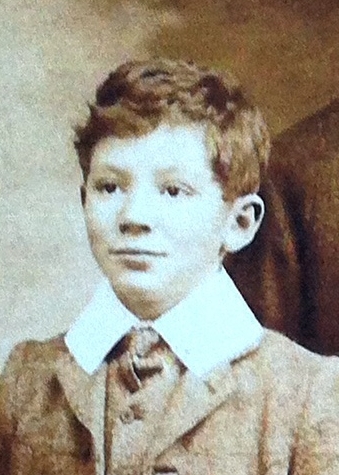
John Henry Jenkins ca 1910
Events and Notes
- 1898
- 1916~18
- 191617
- 1923~25
- 192325Marriage | Margaret MacDonald Gordon
 He and Margaret MacDonald Gordon were married on 2 Oct 1923 at Saint John's Anglican ChurchG, in North Vancouver, British Columbia, CanadaG.Citation: 3
 - 192325NoteMARRIAGE ENTRY
23-09-261352 - John Henry JENKINS, 25, forestry, England, North Vancouver, s/o Harry Martyn JENKINS & Annie Maria HANCOCK, both b. England, married Margaret Macdonald GORDON, 22, teacher, USA, North Vancouver, d/o William GORDON b. England & Charlotte Elvira BAKER b. USA, witn: D.M. JENKINS & Charlotte GORDON, both of North Vancouver, 2 Oct. 1923 at St. Johns Church, North Vancouver - 193233Death | William GordonHe was the Informant on the Death Registration of William Gordon. William died on 16 May 1932 in North Vancouver, British Columbia, CanadaG.Citation: 4
- 1935~37
- 194344Psgr ListHe was found on a passenger list on 5 Jul 1943 in Ketchikan, Alaska, United StatesG. He sailed from Price Rupert, BC to Ketchikan, Alaska aboard the Princess Norah. He was a Colonel in the Canadian Army and he accompanied Rear Admiral George C Jones.
- 194546NoteOn 6 Jan 1945 Col. John Henry Jenkins was awarded the O.B.E. for his military service. In 1942 he was also awarded the E.D. (Efficiency Decoration). At that time he was 5' 7 3/4", brown hair and brown eyes.
- 194546Psgr ListHe was found on a passenger list on 13 Jun 1945 in New York, New York, United StatesG. Col. Jenkins was listed on a Canadian Air Force Passenger Manifest which landed in New York.
- 194547Psgr ListHe was found on a passenger list on 6 Nov 1945 in New York, New York, United StatesG. He was listed on a Aircraft passenger list of the Royal Canadian Air Force which flew from Ottawa, Canada.
- 194648Death of Parent | Anna 'Annie' Maria HancockHis mother Anna 'Annie' Maria Hancock died on 25 Oct 1946 in Ganges, Salt Spring Island, British Columbia, CanadaG.
- 194849Death of Parent | Henry Martyn JenkinsHis father Henry Martyn Jenkins died on 26 Jul 1948 in Ganges, Salt Springs Island, British Columbia, CanadaG.
- 197779
- 1985Death of Spouse | Margaret MacDonald GordonHis wife Margaret MacDonald Gordon died on 15 Apr 1985 in Ganges, Salt Springs Island, British Columbia, CanadaG.
Census and Residence Events
- 19012Census1901UK | Henry Martyn JenkinsJohn was enumerated as the son of Henry Martyn Jenkins on the 1901 UK Census in Malvern, Worcestershire, England, United KingdomG. He was 2 years old.
Also residing in the same household were Anna 'Annie' Maria Hancock.Citation: 6 - 191112Census1911UK | Henry Martyn JenkinsJohn was enumerated as the son of Henry Martyn Jenkins on the 1911 UK Census residing at 6 Eskin PlaceG in Keswick, Cumberland, England, United KingdomG. He was 12 years old.
Also residing in the same household were George Donald Martyn Jenkins and Anna 'Annie' Maria Hancock.Citation: 7 - 1935~37
Citations
Henry Martyn Jenkins
#12435, Deceased, (1864 - 1948)
Parents
| Father | John Sloggett Jenkins (1822 - 1900) |
| Mother | Sarah Dove (1823 - ) |
Children with Anna 'Annie' Maria Hancock (1873 - 1946)
| Son | Col. John Henry 'Jack' Jenkins+ (1898 - 1977) |
| Son | George Donald Martyn Jenkins+ (1902 - 1982) |
| Last Edited | 5 Jul 2024 |
Family Explorer
Photo Gallery
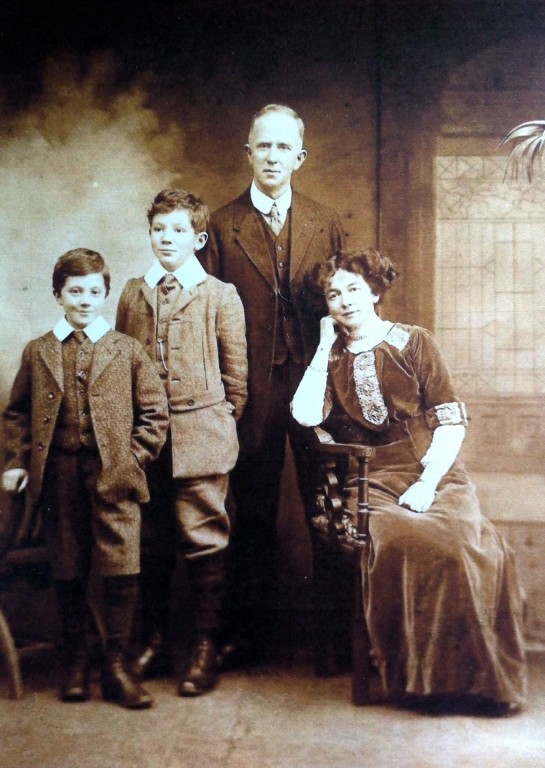
Henry M Jenkins and family ca 1910
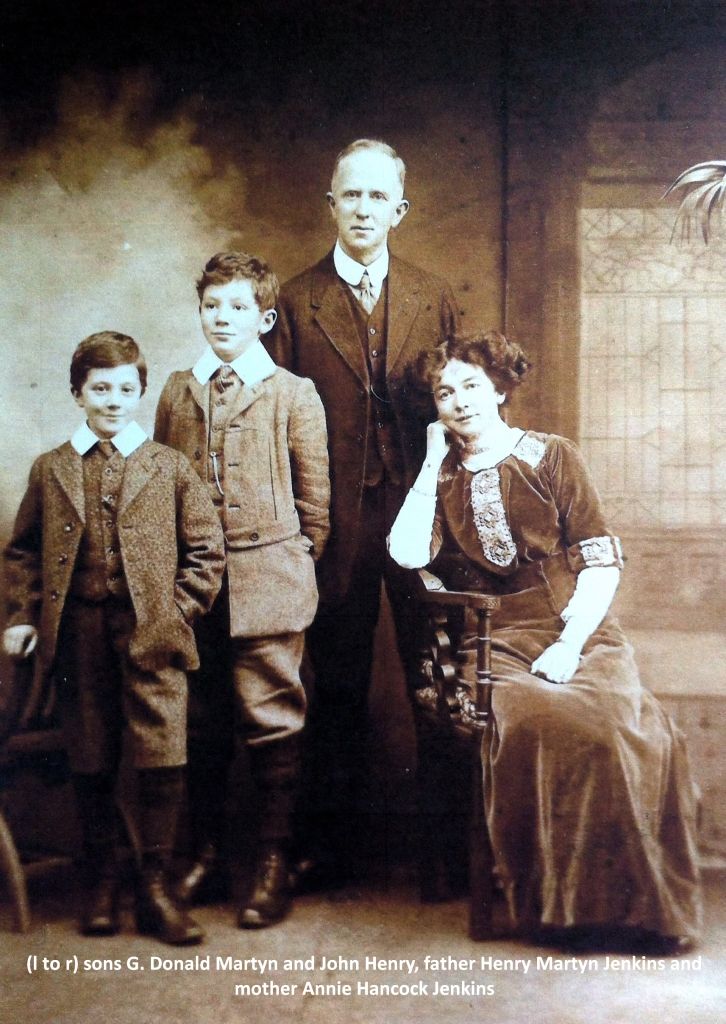
Henry M Jenkins and family ca 1910 - text
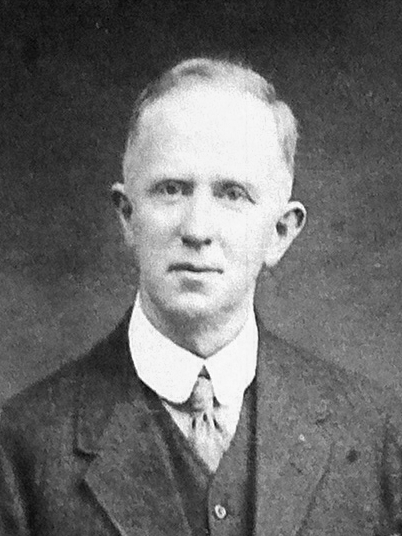
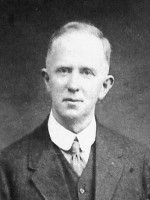
Henry Martyn Jenkins ca 1910
Events and Notes
- 1864
- 189733Marriage | Anna 'Annie' Maria Hancock
 He and Anna 'Annie' Maria Hancock were married on 20 Nov 1897 at The TythingG, in Worcester, Worcestershire, England, United KingdomG.Citation: 2
 - 189834Birth of Child | Col. John Henry 'Jack' JenkinsHis son Col. John Henry 'Jack' Jenkins was born on 25 Sep 1898 in North Malvern, Worcestershire, England, United KingdomG.
- 1900~36Death of Parent | John Sloggett JenkinsHis father John Sloggett Jenkins died in 1900 in Upton on Severn, Worcestershire, EnglandG.
- 1901~37
- 190238Birth of Child | George Donald Martyn JenkinsHis son George Donald Martyn Jenkins was born on 2 Oct 1902 in North Malvern, Worcestershire, England, United KingdomG.
- 1911~47
- 1940~76
- 194682Death of Spouse | Anna 'Annie' Maria HancockHis wife Anna 'Annie' Maria Hancock died on 25 Oct 1946 in Ganges, Salt Spring Island, British Columbia, CanadaG.
- 194884DeathHe died on 26 Jul 1948 at age 84 in Ganges, Salt Springs Island, British Columbia, CanadaG.
- 1948~84
Census and Residence Events
- 190136Census1901UKHenry Martyn Jenkins was enumerated as the head of the household on the 1901 UK Census in Malvern, Worcestershire, England, United KingdomG. He was 36 years old.
Also residing in the same household were Col. John Henry 'Jack' Jenkins and Anna 'Annie' Maria Hancock.Citation: 3 - 191146Census1911UKHe was enumerated as the head of the household on the 1911 UK Census residing at 6 Eskin PlaceG in Keswick, Cumberland, England, United KingdomG. He was 46 years old.
Also residing in the same household were Col. John Henry 'Jack' Jenkins, George Donald Martyn Jenkins, and Anna 'Annie' Maria Hancock.Citation: 1
Citations
Anna 'Annie' Maria Hancock
#12436, Deceased, (1873 - 1946)
Children with Henry Martyn Jenkins (1864 - 1948)
| Son | Col. John Henry 'Jack' Jenkins+ (1898 - 1977) |
| Son | George Donald Martyn Jenkins+ (1902 - 1982) |
| Last Edited | 24 Jun 2024 |
Family Explorer
Photo Gallery
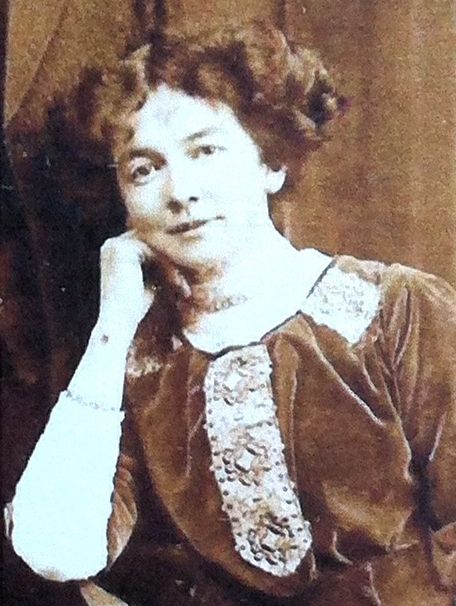
Annie Maria Hancock Jenkins - ca 1910
Events and Notes
- 1873
- 189724Marriage | Henry Martyn Jenkins
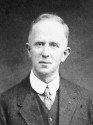 Henry Martyn Jenkins and she were married on 20 Nov 1897 at The TythingG, in Worcester, Worcestershire, England, United KingdomG.Citation: 2
 - 189825Birth of Child | Col. John Henry 'Jack' JenkinsHer son Col. John Henry 'Jack' Jenkins was born on 25 Sep 1898 in North Malvern, Worcestershire, England, United KingdomG.
- 190229Birth of Child | George Donald Martyn JenkinsHer son George Donald Martyn Jenkins was born on 2 Oct 1902 in North Malvern, Worcestershire, England, United KingdomG.
- 1946~73
- 194673DeathShe died on 25 Oct 1946 at age 73 in Ganges, Salt Spring Island, British Columbia, CanadaG.
- 1948Death of Spouse | Henry Martyn JenkinsHer husband Henry Martyn Jenkins died on 26 Jul 1948 in Ganges, Salt Springs Island, British Columbia, CanadaG.
Census and Residence Events
- 190127Census1901UK | Henry Martyn JenkinsAnna was enumerated as the wife of Henry Martyn Jenkins on the 1901 UK Census in Malvern, Worcestershire, England, United KingdomG. She was 27 years old.
Also residing in the same household were Col. John Henry 'Jack' Jenkins.Citation: 3 - 191137Census1911UK | Henry Martyn JenkinsAnna was enumerated as the wife of Henry Martyn Jenkins on the 1911 UK Census residing at 6 Eskin PlaceG in Keswick, Cumberland, England, United KingdomG. She was 37 years old.
Also residing in the same household were Col. John Henry 'Jack' Jenkins and George Donald Martyn Jenkins.Citation: 1
Citations
George Donald Martyn Jenkins
#12437, Deceased, (1902 - 1982)
Parents
| Father | Henry Martyn Jenkins (1864 - 1948) |
| Mother | Anna 'Annie' Maria Hancock (1873 - 1946) |
Child with Harriet Burleigh Coulson (1904 - )
| Son | Gordon Donald Martyn Jenkins |
| Last Edited | 5 Jul 2024 |
Family Explorer
Photo Gallery
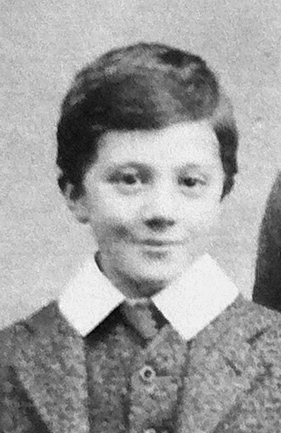
George Donald Martyn Jenkins ca 1910
Events and Notes
- 1902
- 193128Marriage | Harriet Burleigh CoulsonHe and Harriet Burleigh Coulson were married on 20 Feb 1931 in Vancouver, British Columbia, CanadaG.Citation: 3
- 1940~38OccupationHe was purser in 1940 in South Galiano Island, British Columbia, CanadaG.
- 194644Death of Parent | Anna 'Annie' Maria HancockHis mother Anna 'Annie' Maria Hancock died on 25 Oct 1946 in Ganges, Salt Spring Island, British Columbia, CanadaG.
- 194845Death of Parent | Henry Martyn JenkinsHis father Henry Martyn Jenkins died on 26 Jul 1948 in Ganges, Salt Springs Island, British Columbia, CanadaG.
- 198279DeathHe died on 25 Jul 1982 at age 79 in Ganges, Salt Springs Island, British Columbia, CanadaG.
Census and Residence Events
- 19118Census1911UK | Henry Martyn JenkinsGeorge was enumerated as the son of Henry Martyn Jenkins on the 1911 UK Census residing at 6 Eskin PlaceG in Keswick, Cumberland, England, United KingdomG. He was 8 years old.
Also residing in the same household were Col. John Henry 'Jack' Jenkins and Anna 'Annie' Maria Hancock.Citation: 1
Citations
Harriet Burleigh Coulson
#12438, Deceased, (1904 - )
Child with George Donald Martyn Jenkins (1902 - 1982)
| Son | Gordon Donald Martyn Jenkins |
| Last Edited | 31 May 2024 |
Family Explorer
Photo Gallery
Events and Notes
- 1904BirthHarriet Burleigh Coulson was born in 1904 in San Francisco County, California, United StatesG.
- 1931~27Marriage | George Donald Martyn Jenkins
 George Donald Martyn Jenkins and she were married on 20 Feb 1931 in Vancouver, British Columbia, CanadaG.Citation: 1
 - 1982~78Death of Spouse | George Donald Martyn JenkinsHer husband George Donald Martyn Jenkins died on 25 Jul 1982 in Ganges, Salt Springs Island, British Columbia, CanadaG.
Citations
John Sloggett Jenkins
#12439, Deceased, (1822 - 1900)
Child with Sarah Dove (1823 - )
| Son | Henry Martyn Jenkins+ (1864 - 1948) |
| Last Edited | 5 Jul 2024 |
Family Explorer
Photo Gallery
Events and Notes
- 1822BirthJohn Sloggett Jenkins was born on 1 Oct 1822 in Devonport, Devon, EnglandG.
- 18220ChristeningHe was christened on 7 Oct 1822 in Morrice Saint-Wesleyan, Devonport, Devon, EnglandG.
- 186441Birth of Child | Henry Martyn JenkinsHis son Henry Martyn Jenkins was born on 11 Jul 1864 in Leeds, Yorkshire, England, United KingdomG.
- 1900~78DeathHe died in 1900 at age ~78 in Upton on Severn, Worcestershire, EnglandG.
Gustaf V. 'Gus' Brandenborg
#12440, Deceased, (1887 - 1959)
| Last Edited | 20 Apr 2024 |
Family Explorer
Photo Gallery
Events and Notes
- 1887BirthGustaf V. 'Gus' Brandenborg was born on 4 Jan 1887 in Hennepin County, Minnesota, United StatesG.
- 194558Marriage | Eva Albertina ClausenHe and Eva Albertina Clausen were married on 5 Oct 1945 in Webster, Day, South Dakota, United StatesG.Citation: 1
- 195972
- 1981Death of Spouse | Eva Albertina ClausenHis wife Eva Albertina Clausen died on 26 Jan 1981 in Cedar Rapids, Linn, Iowa, United StatesG.
Citations
Ivor William Frank Stanley
#12441, Deceased, (1924 - 1993)
Child with Ruth Geraldine Napier (1927 - 2015)
| Son | David Stanley (Abt 1952 - ) |
| Last Edited | 19 Feb 2025 |
Family Explorer
Photo Gallery
Events and Notes
- 1924BirthIvor William Frank Stanley was born on 28 Oct 1924 in Newton, Jasper, Iowa, United StatesG.
- 194318
- 194823Marriage | Ruth Geraldine NapierHe and Ruth Geraldine Napier were married on 28 Aug 1948 in Hennepin County, Minnesota, United StatesG.
- 1952~28Birth of Child | David StanleyHis son David Stanley was born abt 1952.
- 1956~32
- 199368DeathHe died on 12 Mar 1993 at age 68 in Decorah, Winneshiek, Iowa, United StatesG.
- 1993BurialHe was buried on 28 Jun 1993 in the Arlington National CemeteryG in Arlington, Arlington County, Virginia, United StatesG.
Find A Grave Memorial LinkCitation: 3 - 2015Death of Spouse | Ruth Geraldine NapierHis wife Ruth Geraldine Napier died on 30 Dec 2015 in Spring Lake Park, Anoka, Minnesota, United StatesG.
Citations
- [S238] Ancestry.com online database, online https://www.ancestry.com, U.S. World War II Army Enlistment Records, 1938-1946. Hereinafter cited as Ancestry.com.
- [S238] Ancestry.com, online https://www.ancestry.com, U.S. City Directories, 1821-1989.
- [S828] FindAGrave.com, online website (www.findagrave.com : viewed online 2024), Memorial ID 49353441 for Ivor William Stanley. Hereinafter cited as Find A Grave, database and images.
Gordon Donald Martyn Jenkins
#12442, Deceased
Parents
| Father | George Donald Martyn Jenkins (1902 - 1982) |
| Mother | Harriet Burleigh Coulson (1904 - ) |
| Last Edited | 20 Apr 2024 |
Family Explorer
Photo Gallery
Events and Notes
- BirthGordon Donald Martyn Jenkins was born.
- 1982Death of Parent | George Donald Martyn JenkinsHis father George Donald Martyn Jenkins died on 25 Jul 1982 in Ganges, Salt Springs Island, British Columbia, CanadaG.
Robert Gordon MacDonald
#12443, Deceased, (1847 - 1886)
Parents
| Father | Reverend John MacDonald (1807 - 1847) |
| Mother | Anne MacKenzie (Abt 1806 - 1877) |
Children with Margaret Elizabeth Gordon (1858 - Aft 1942)
| Daughter | Ida Naylor MacDonald+ (1882 - 1936) |
| Son | 'Unknown Given Name' MacDonald (Abt 1884 - ) |
| Last Edited | 19 Jul 2024 |
Family Explorer
Photo Gallery
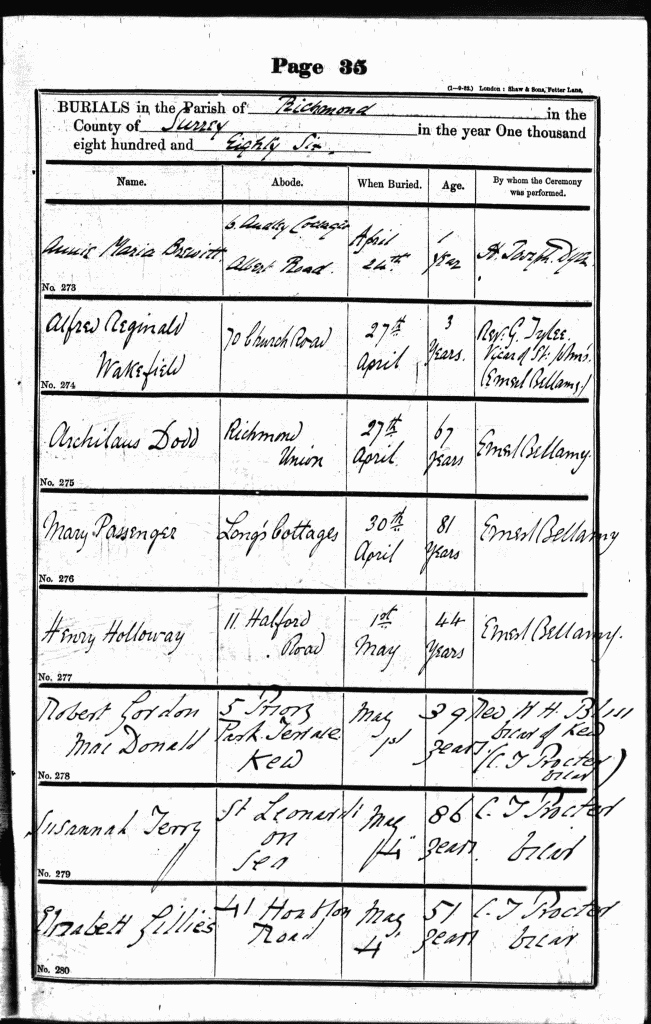
Robert Gordon MacDonald Burial 1886
Events and Notes
- 1847
- 1847~0Death of Parent | Reverend John MacDonaldHis father Reverend John MacDonald died on 1 Sep 1847 in Calcutta, West Bengal, IndiaG.
- 1860~13NoteIn a newpaper article in the Elgin Courant and Morayshire Advertiser on Friday, 29 June 1860, Robert and his brother Thomas Chalmers MacDonald were tested in the Third Class of Latin Prose Composition. Thomas was second and Robert was fourth.
- 1871~24
- 1877~30Death of Parent | Anne MacKenzieHis mother Anne MacKenzie died on 5 Dec 1877 in Elgin, Morayshire, Scotland, United KingdomG.
- 1881~34
- 1881~34Marriage | Margaret Elizabeth Gordon
 He and Margaret Elizabeth Gordon were married on 15 Sep 1881 at Presbyterian Church of EnglandG in Cardiff, Glamorgan, Wales, United KingdomG. Marriage Announcement
The London Standard, Friday, 30 September 1881
(Transcribed from The British Newspaper Archive website: http://www.britishnewspaperarchive.co.uk)
MACDONALD-GORDON. Sept. 15, at the Prebyterian Church of England, Cardiff, by Rev. H. Millican, Robert Gordon MacDonald of London to Margaret Elizabeth, eldest daughter of Jas. Gordon, Cardiff.Citation: 3 - 1882~35Birth of Child | Ida Naylor MacDonaldHis daughter Ida Naylor MacDonald was born in 1882 in Richmond, Surrey, England, United KingdomG.
- 1884~37Birth of Child | 'Unknown Given Name' MacDonaldHis son 'Unknown Given Name' MacDonald was born abt 1884 in England, United KingdomG.
- 1886~39
- 1886
- 1886ObituaryObituary of Robert Gordon MacDonald
Glasgow Herald, Saturday, 1 May 1886
MacDonald - At Kew, on the 27th ult., aged 39, Robert Gordon MacDonald, youngest surviving twin son of the late Rev. John MacDonald, missionary minister, Calcutta. - 1886ProbateHe had his estate probated on 3 Jul 1886 in London, England, United KingdomG. Probate of the Estate of Robert Gordon MacDonald
Personal Estate: £1,981 11s. 5d
3 July.
Administration of the Personal Estate of Robert Gordon MacDonald late of 5 Priory Park Terrace, Kew in the County of Surrey, Gentleman who died 27 April 1886 at 5 Priory Park Terrace domiciled in England was granted at the Principal Registry to Margaret Elizabeth MacDonald of 5 Priory Park Terrace. Widow of the Relict.Citation: 4 - 1942Death of Spouse | Margaret Elizabeth GordonHis wife Margaret Elizabeth Gordon died aft 1942 in Great BritainG.
Census and Residence Events
- 1851~4Census1851UK | Anne MacKenzieRobert was enumerated as the son of Anne MacKenzie on the 1851 UK Census residing at 6 Guilory StreetG, in Elgin, Morayshire, Scotland, United KingdomG. He was ~4 years old.
Also residing in the same household were Catherine Georgina MacDonald, John MacDonald, Alexander MacKenzie MacDonald, Simon Nicolson MacDonald, William MacDonald, and Thomas Chalmers MacDonald.Citation: 7 - 1861~14Census1861UK | Anne MacKenzieRobert was enumerated as the son of Anne MacKenzie on the 1861 UK Census residing at 7 Queen Street - Poplar LodgeG, in Elgin, Morayshire, Scotland, United KingdomG. He was ~14 years old.
Also residing in the same household were Catherine Georgina MacDonald, Alexander MacKenzie MacDonald, Simon Nicolson MacDonald, William MacDonald, and Thomas Chalmers MacDonald.Citation: 8 - 1871~24Census1871UKHe was enumerated as the head of the household on the 1871 UK Census in Finsbury, Saint Andrew Holborn Parish, Greater London, EnglandG. He was ~24 years old.
Robert was listed as the friend of Frederick Naylorwho was born in Wakefield, Yorkshire, England in 1812 and listed as a lodger at the premise.Citation: 2 - 1881~34
- 1886~39
Citations
Martha M. Goode
#12444, Deceased, (Abt 1902 - )
Parents
| Father | Amasa Shakespeare Goode (1856 - 1913) |
| Mother | Emeline Susan 'Emma' Christian (1867 - 1963) |
| Last Edited | 20 Apr 2024 |
Family Explorer
Photo Gallery
Events and Notes
- 1902
- 1913~11Death of Parent | Amasa Shakespeare GoodeHer father Amasa Shakespeare Goode died on 28 May 1913 in Richmond, Richmond County, Virginia, United StatesG.
- 1918~16Marriage | Carroll Wardwell Duke
 Carroll Wardwell Duke and she were married on 13 Apr 1918 in Virginia, United StatesG.
 - 1940~38
- 1963~61Death of Parent | Emeline Susan 'Emma' ChristianHer mother Emeline Susan 'Emma' Christian died on 4 Mar 1963 in Richmond, Richmond City, Virginia, United StatesG.
- 1975~73Death of Spouse | Carroll Wardwell DukeHer husband Carroll Wardwell Duke died on 2 Jul 1975 in Daly City, San Mateo, California, United StatesG.
Census and Residence Events
- 1920~18Census1920 | Emeline Susan 'Emma' ChristianMartha was enumerated as the daughter of Emeline Susan 'Emma' Christian on the 1920 US Census residing at 408 Sycamore StreetG in Richmond, Richmond County, Virginia, United StatesG. She was ~18 years old.
Also residing in the same household were Carroll Wardwell Duke.Citation: 2 - 1930~28Census1930 | Carroll Wardwell DukeMartha was enumerated as the wife of Carroll Wardwell Duke on the 1930 US Census residing at 1290 O'Farrell Street, Apt 510G, in San Francisco, San Francisco, California, United StatesG. She was ~28 years old.
Citation: 3 - 1940~38Census1940 | Carroll Wardwell DukeMartha was enumerated as the wife of Carroll Wardwell Duke on the 1940 US Census residing at 1192 O'Farrell Street, Apt 353G, in San Francisco, San Francisco, California, United StatesG. She was ~38 years old.
Citation: 1
Citations
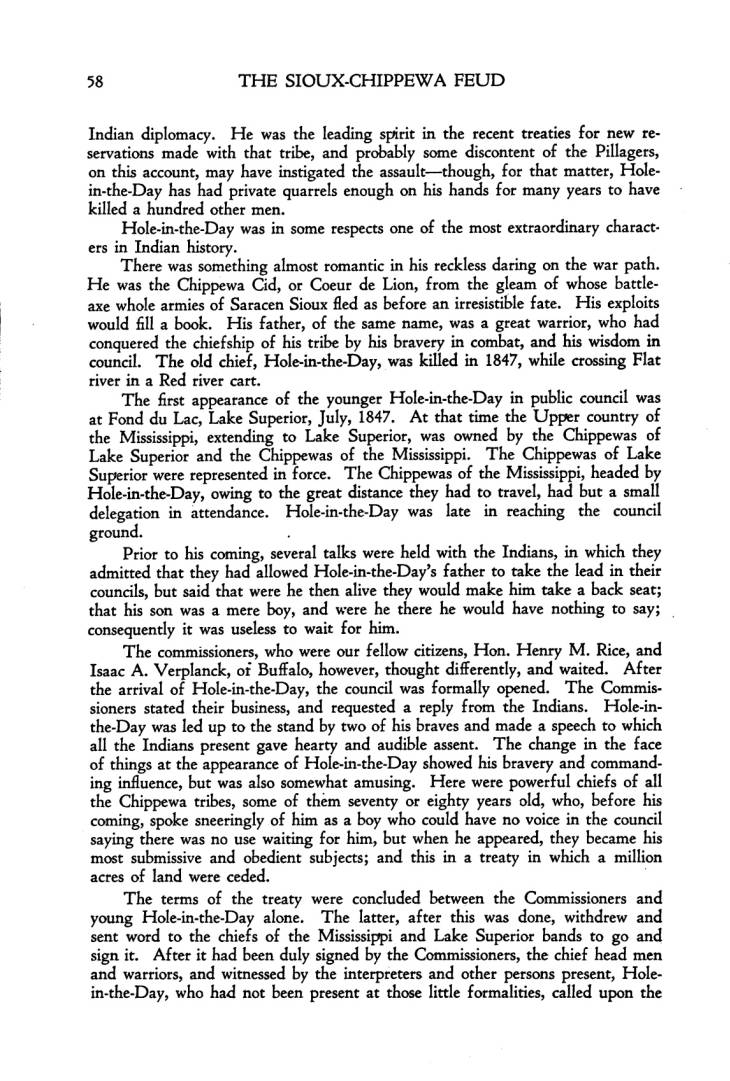
Chief Joseph Que We Zaince Hole In the Day the Younger
#12445, Deceased, (Abt 1825 - 1868)
Child
| Daughter | Mary Elizabeth 'Isabelle' Ke-ne-se quay Hole-In-the-Day+ (1852 - 1875) |
| Last Edited | 8 Aug 2024 |
Family Explorer
Photo Gallery
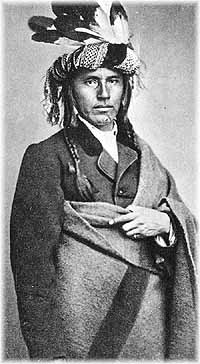
Chief Hole in Day
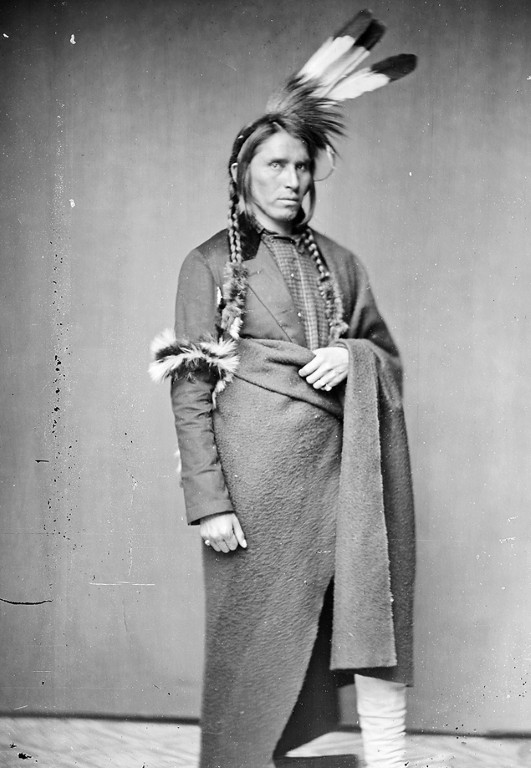
Chief Hole In the Day early 1860's
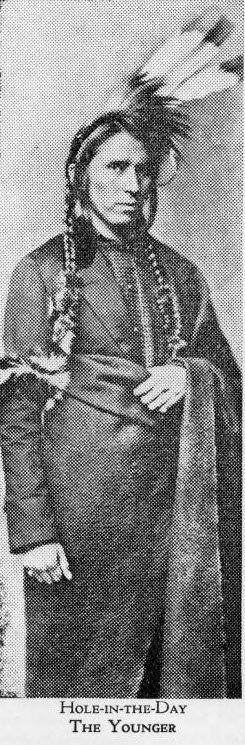
Hole in the Day, the younger 1825-1868
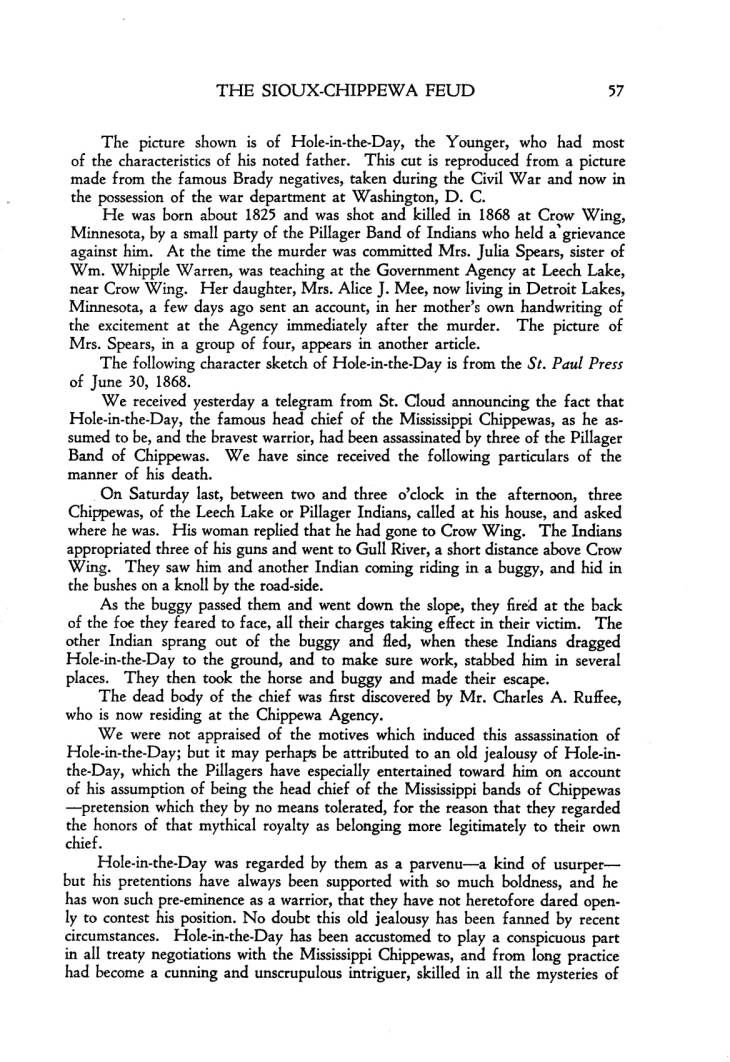
Chief Hole In the Day -1
Chief Hole In the Day -2
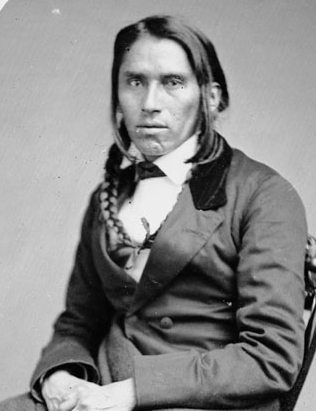
Chief Hole in the Day 1858
Events and Notes
- NoteOjibwe information
Joseph Chief_II Quewezaince HOLE-IN-THE-DAY
Father: Pugonaygeshig Chief_I Puinanegi HOLE-IN-THE-DAY
Mother: Mahnun
Birth: ABT 1824/1829
Death: 17 AUG 1868, Crow Wing, MN
Partnership with: Aheendahjewaybeq Ieendahjewaybeak
Child: Ignatius Minogeshigoonce Minogeshigoonce HOLE-IN-THE-DAY Birth: ABT 1850, Crow Wing,or Gull Lake,MN
Child: Louise Obezhegeshigoqua Fineday HOLE-IN-THE-DAY Birth: 1857, Crow Wing, MN
Child: Julia HOLE-IN-THE-DAY Birth: ABT 1864
Child: Carrie Madeline Kewetahbequay HOLE-IN-THE-DAY Birth: 1866/1868, Crow Wing,MN
Partnership with: (Unknown)
Child: Mary Elizabeth "Isabelle"Kenese HOLE-IN-THE-DAYÂ Birth: 29 AUG 1852, Crow Wing,,MN
Child: Rose HOLE-IN-THE-DAYÂ Birth:Â ABT 1868
Partnership with:Â Kahbegahnahbequa
Child: Michael HOLE-IN-THE-DAYÂ Christening:Â 20 AUG 1853, Crow Wing,,MN
Partnership with: Sahgemay
Child: Emily HOLE-IN-THE-DAYÂ Christening: 18 FEB 1855, St. Columba,White Earth I.R.,MN
Partnership with: Name_Not_Given
Child: Quodaince
Child: Obesaw Obezahn
Partnership with: Tebishcocumigoqu
Child: Kewetahjewaybequ
Child: John HOLE-IN-THE-DAYÂ Christening:Â 17 FEB 1861, St. Columba,White Earth I.R.,MN
Partnership with: (Unknown)
Child: Maria Antoinette HOLE-IN-THE-DAYÂ Birth:Â ABT 1862
Child: Maria Francoise HOLE-IN-THE-DAYÂ Christening:Â 13 JUN 1873
Partnership with: Ellen McCarthy MCCARTY
Child: Joseph Pugonaygeshig Woodbury HOLE-IN-THE-DAYÂ Birth:Â 1868
Partnership with: Equays Equayzaince
Partnership with: Neganacumigoquay
Child: (Child)
Partnership with: Waseya
Partnership with: Odahniew
Child: Name_Unknown (Annuity)
Child: Name_Unknown (Annuity)
Partnership with: (Unknown)
Child: Nodinance
Notes for Joseph Chief_II Quewezaince HOLE-IN-THE-DAY
!NAME: ':':-:) (ABT 1825 - AUG 17, 1868) Que we zaince [58:16] [V.R. #64][Powell 10/0278]!NAME: Hole in the day, Chief II (ABT 1825 - AUG 17, 1868) [58:16] [V.R. #64][Powell 10/0278]!NAME: Hole-in-the-Day, Chief Joseph (ABT 1825 - AUG 17, 1868) [V.R. #64]!GENEALOGY: Minnesota Historical Society, R.J. Powell Papers, Microf. M-455,Roll 10, Powell Genealogies, families #27:43, #58:5, #58:16!GENEALOGY_COMPILED_BY_VIRGINIA_ROGERS: Broken Tooth Genealogy, #17, #64born around 1825, perhaps near Crow Wing, Minnesota, killed AUG 17, 1868 near the Agency at Crow Wing. More has been written about Chief Hole-in-the-Day than any other Minnesota Chippewa Chief. Here I give only the history relating to his personal life. He and his father were members of the Bear Clan while his mother, of course, was of the Loon Clan. He became Chief in 1847 when his father died. He is said to have been 20 years old at that time. His interpreter and body guard was O-jib-way (WE-816) who is the ancestor of the many Parkers on the White Earth Reservation, and whose children married into this family. Chief Hole-in-the-Day owned three valuable pieces of land in Minnesota. One was a farm in Cass County just above the Old Agency. Another was a farm of approximately one square mile, north of the Agency at Crow Wing. He had a large two story house on this land which was burned down. The land his father had claimed was a maple woods between Gull and Round Lakes above Crow Wing. After Hole-in-the-Day's death an administrator was appointed to handle his estate. It was said that he left two widows and six children at the Crow Wing Agency, and one widow and one minor in Minneapolis. The estate was not settled until forty years later. Apparently his heirs received almost nothing. From the treaty of MAR 19th, 1867, Article 5: 'the annuityof $1,000 a year which shall here after become due under Article 3 of theTreaty of AUG, 1847, shall be paid to Chief Hole in the Day and to his heirs.'This was paid during his lifetime but evidently not continued after his death. It has been suggested that the money was for his band and not for himpersonally, however, there is other evidence that chiefs did receive money from treaties for themselves. I have found several wives for Hole-in-the-Day and there is ample testimony that he had plural wives. LaDoux, Naomi of White Earth, Minnesota,whose grandmother lived at Crow Wing, told me that after Hole-in-the-Day brought his white wife back from Washington, she lived downstairs in the bighouse and his Indian wives lived upstairs. The wives and children I have beenable to find are given below. The order of the wives is unknown.! Maynard Swan papers, photocopy (probably "The Man Who Lived Three Centuries"),p. 47, "Boy" spent his boyhood on the northeasterly shores of Gull Lake, wherethe Chief's rice bed preserves his name today as Hole-in-the-Day Lake. Hishome was probably at the Round-Gull thoroughfare; and the rather substantiallog cabin, with no floor, found occupied by Chief Wadena a quarter-centurylater, was probably Hole-in-the-Day's. A mile or so south was the famous Hole-in-the-Day Sugar Bush between Round and North Long Lakes. Here the father first built a substantial cabin on the Grundt-Hovde property in Ojibway Park;then "Boy" later moved several hundred yards east and built his own cabin onLot 13, owned at the time of present writing by Howard Goserud of Hugo,Minnesota. In 1836, a beginning was made on surveying the Sioux-Chippewaboundary agreed upon by those two Nations at the Prairie du Chien Treaty in1825; and Hole-in-the-Day moved to the mouth of Little Elk just above LittleFalls, to serve as an avante garde against Sioux encroachment. In 1838 he arranged to have his pre-teen son stab a little Sioux girl his own age, and scalp her while he was a guest in her home. This ever after gave Kwi-wi-sens aright to wear a red-tipped feather, and to sit in the highest councils withother warriors in the band. One of thefeathers in the bonnet of the presentportrait represents the innocent Sioux girl. When Pugona-geshig died in 1847,"Boy" took his place, and soon his name -- through pressure of white-mancustom. He then lived to play out the last great role of monarchy in the Ojibway Nation, signing the Treaty of Fond du Lac in 1847, the Treaty of 1855 which set up the Reservation system in Minnesota, and finally the Treaty of 1867 which created the White Earth Reservation, aolished others, and eventuallyended any Indian ownership of important lands in Minnesota.!Wisconsin Historical Collections, Vol. V, p. 387-399, Rev. Alfred Brunson,A.M., D.D., "Sketch of Hole-in-the-Day" WELSA_Genealogy_Sheets [B.I.A. Records, abt 1992], Red Lake,#501
************
I wish to thank Reverend C. H. Beaulieu of Le Sueur, Minnesota, for much of the material used in this chapter.
In the beginning of the nineteenth century, the Indian nations of the Northwest first experienced the pressure of civilization. At this period there were among them some brilliant leaders unknown to history, for the curious reason that they cordially received and welcomed the newcomers rather than opposed them. The only difficulties were those arising among the European nations themselves, and often involving the native tribes. Thus new environments brought new motives, and our temptations were increased manyfold with the new weapons, new goods, and above all the subtly destructive "spirit water."
Gradually it became known that the new race had a definite purpose, and that purpose was to chart and possess the whole country, regardless of the rights of its earlier inhabitants. Still the old chiefs cautioned their people to be patient, for, said they, the land is vast, both races can live on it, each in their own way. Let us therefore befriend them and trust to their friendship. While they reasoned thus, the temptations of graft and self-aggrandizement overtook some of the leaders.
Hole-in-the-Day (or Bug-o-nay-ki-shig) was born in the opening days of this era. The word "ki-shig" means either "day" or "sky", and the name is perhaps more correctly translated Hole-in-the-Sky. This gifted man inherited his name and much of his ability from his father, who was a war chief among the Ojibways, a Napoleon of the common people, and who carried on a relentless warfare against the Sioux. And yet, as was our custom at the time, peaceful meetings were held every summer, at which representatives of the two tribes would recount to one another all the events that had come to pass during the preceding year.
Hole-in-the-Day the younger was a handsome man, tall and symmetrically formed, with much grace of manner and natural refinement. He was an astute student of diplomacy. The Ojibways allowed polygamy, and whether or not he approved the principle, he made political use of it by marrying the daughter of a chief in nearly every band. Through these alliances he held a controlling influence over the whole Ojibway nation. Reverend Claude H. Beaulieu says of him:
"Hole-in-the-Day was a man of distinguished appearance and native courtliness of manner. His voice was musical and magnetic, and with these qualities he had a subtle brain, a logical mind, and quite a remarkable gift of oratory. In speech he was not impassioned, but clear and convincing, and held fast the attention of his hearers."
It is of interest to note that his everyday name among his tribesmen was "The Boy." What a boy he must have been! I wonder if the name had the same significance as with the Sioux, who applied it to any man who performs a difficult duty with alertness, dash, and natural courage. "The Man" applies to one who adds to these qualities wisdom and maturity of judgment.
The Sioux tell many stories of both the elder and the younger Hole-in-the-Day. Once when The Boy was still under ten years of age, he was fishing on Gull Lake in a leaky birch-bark canoe. Presently there came such a burst of frantic warwhoops that his father was startled. He could not think of anything but an attack by the dreaded Sioux. Seizing his weapons, he ran to the rescue of his son, only to find that the little fellow had caught a fish so large that it was pulling his canoe all over the lake. "Ugh," exclaimed the father, "if a mere fish scares you so badly, I fear you will never make a warrior!"
It is told of him that when he was very small, the father once brought home two bear cubs and gave them to him for pets. The Boy was feeding and getting acquainted with them outside his mother's birch-bark teepee, when suddenly he was heard to yell for help. The two little bears had treed The Boy and were waltzing around the tree. His mother scared them off, but again the father laughed at him for thinking that he could climb trees better than a bear.
The elder Hole-in-the-Day was a daring warrior and once attacked and scalped a Sioux who was carrying his pelts to the trading post, in full sight of his friends. Of course he was instantly pursued, and he leaped into a canoe which was lying near by and crossed to an island in the Mississippi River near Fort Snelling. When almost surrounded by Sioux warriors, he left the canoe and swam along the shore with only his nose above water, but as they were about to head him off he landed and hid behind the falling sheet of water known as Minnehaha Falls, thus saving his life.
It often happens that one who offers his life freely will after all die a natural death. The elder Hole-in-the-Day so died when The Boy was still a youth. Like Philip of Massachusetts, Chief Joseph the younger, and the brilliant Osceola, the mantle fell gracefully upon his shoulders, and he wore it during a short but eventful term of chieftainship. It was his to see the end of the original democracy on this continent. The clouds were fast thickening on the eastern horizon. The day of individualism and equity between man and man must yield to the terrific forces of civilization, the mass play of materialism, the cupidity of commerce with its twin brother politics. Under such conditions the younger Hole-in-the-Day undertook to guide his tribesmen. At first they were inclined to doubt the wisdom of so young a leader, but he soon proved a ready student of his people's traditions, and yet, like Spotted Tail and Little Crow, he adopted too willingly the white man's politics. He maintained the territory won from the Sioux by his predecessors. He negotiated treaties with the ability of a born diplomat, with one exception, and that exception cost him his life.
Like other able Indians who foresaw the inevitable downfall of their race, he favored a gradual change of customs leading to complete adoption of the white man's ways. In order to accustom the people to a new standard, he held that the chiefs must have authority and must be given compensation for their services. This was a serious departure from the old rule but was tacitly accepted, and in every treaty he made there was provision for himself in the way of a land grant or a cash payment. He early departed from the old idea of joint ownership with the Lake Superior Ojibways, because he foresaw that it would cause no end of trouble for the Mississippi River branch of which he was then the recognized head. But there were difficulties to come with the Leech Lake and Red Lake bands, who held aloof from his policy, and the question of boundaries began to arise.
I wish to thank Reverend C. H. Beaulieu of Le Sueur, Minnesota, for much of the material used in this chapter.
In the beginning of the nineteenth century, the Indian nations of the Northwest first experienced the pressure of civilization. At this period there were among them some brilliant leaders unknown to history, for the curious reason that they cordially received and welcomed the newcomers rather than opposed them. The only difficulties were those arising among the European nations themselves, and often involving the native tribes. Thus new environments brought new motives, and our temptations were increased manyfold with the new weapons, new goods, and above all the subtly destructive "spirit water."
Gradually it became known that the new race had a definite purpose, and that purpose was to chart and possess the whole country, regardless of the rights of its earlier inhabitants. Still the old chiefs cautioned their people to be patient, for, said they, the land is vast, both races can live on it, each in their own way. Let us therefore befriend them and trust to their friendship. While they reasoned thus, the temptations of graft and self-aggrandizement overtook some of the leaders.
Hole-in-the-Day (or Bug-o-nay-ki-shig) was born in the opening days of this era. The word "ki-shig" means either "day" or "sky", and the name is perhaps more correctly translated Hole-in-the-Sky. This gifted man inherited his name and much of his ability from his father, who was a war chief among the Ojibways, a Napoleon of the common people, and who carried on a relentless warfare against the Sioux. And yet, as was our custom at the time, peaceful meetings were held every summer, at which representatives of the two tribes would recount to one another all the events that had come to pass during the preceding year.
Hole-in-the-Day the younger was a handsome man, tall and symmetrically formed, with much grace of manner and natural refinement. He was an astute student of diplomacy. The Ojibways allowed polygamy, and whether or not he approved the principle, he made political use of it by marrying the daughter of a chief in nearly every band. Through these alliances he held a controlling influence over the whole Ojibway nation. Reverend Claude H. Beaulieu says of him:
"Hole-in-the-Day was a man of distinguished appearance and native courtliness of manner. His voice was musical and magnetic, and with these qualities he had a subtle brain, a logical mind, and quite a remarkable gift of oratory. In speech he was not impassioned, but clear and convincing, and held fast the attention of his hearers."
It is of interest to note that his everyday name among his tribesmen was "The Boy." What a boy he must have been! I wonder if the name had the same significance as with the Sioux, who applied it to any man who performs a difficult duty with alertness, dash, and natural courage. "The Man" applies to one who adds to these qualities wisdom and maturity of judgment.
The Sioux tell many stories of both the elder and the younger Hole-in-the-Day. Once when The Boy was still under ten years of age, he was fishing on Gull Lake in a leaky birch-bark canoe. Presently there came such a burst of frantic warwhoops that his father was startled. He could not think of anything but an attack by the dreaded Sioux. Seizing his weapons, he ran to the rescue of his son, only to find that the little fellow had caught a fish so large that it was pulling his canoe all over the lake. "Ugh," exclaimed the father, "if a mere fish scares you so badly, I fear you will never make a warrior!"
It is told of him that when he was very small, the father once brought home two bear cubs and gave them to him for pets. The Boy was feeding and getting acquainted with them outside his mother's birch-bark teepee, when suddenly he was heard to yell for help. The two little bears had treed The Boy and were waltzing around the tree. His mother scared them off, but again the father laughed at him for thinking that he could climb trees better than a bear.
The elder Hole-in-the-Day was a daring warrior and once attacked and scalped a Sioux who was carrying his pelts to the trading post, in full sight of his friends. Of course he was instantly pursued, and he leaped into a canoe which was lying near by and crossed to an island in the Mississippi River near Fort Snelling. When almost surrounded by Sioux warriors, he left the canoe and swam along the shore with only his nose above water, but as they were about to head him off he landed and hid behind the falling sheet of water known as Minnehaha Falls, thus saving his life.
It often happens that one who offers his life freely will after all die a natural death. The elder Hole-in-the-Day so died when The Boy was still a youth. Like Philip of Massachusetts, Chief Joseph the younger, and the brilliant Osceola, the mantle fell gracefully upon his shoulders, and he wore it during a short but eventful term of chieftainship. It was his to see the end of the original democracy on this continent. The clouds were fast thickening on the eastern horizon. The day of individualism and equity between man and man must yield to the terrific forces of civilization, the mass play of materialism, the cupidity of commerce with its twin brother politics. Under such conditions the younger Hole-in-the-Day undertook to guide his tribesmen. At first they were inclined to doubt the wisdom of so young a leader, but he soon proved a ready student of his people's traditions, and yet, like Spotted Tail and Little Crow, he adopted too willingly the white man's politics. He maintained the territory won from the Sioux by his predecessors. He negotiated treaties with the ability of a born diplomat, with one exception, and that exception cost him his life.
Like other able Indians who foresaw the inevitable downfall of their race, he favored a gradual change of customs leading to complete adoption of the white man's ways. In order to accustom the people to a new standard, he held that the chiefs must have authority and must be given compensation for their services. This was a serious departure from the old rule but was tacitly accepted, and in every treaty he made there was provision for himself in the way of a land grant or a cash payment. He early departed from the old idea of joint ownership with the Lake Superior Ojibways, because he foresaw that it would cause no end of trouble for the Mississippi River branch of which he was then the recognized head. But there were difficulties to come with the Leech Lake and Red Lake bands, who held aloof from his policy, and the question of boundaries began to arise. - 1825BirthHe was born abt 1825 in Minnesota, United StatesG.
- 1852~27Birth of Child | Mary Elizabeth 'Isabelle' Ke-ne-se quay Hole-In-the-DayHis daughter Mary Elizabeth 'Isabelle' Ke-ne-se quay Hole-In-the-Day was born on 29 Aug 1852 in Crow Wing County, Minnesota, United StatesG.
- 1868~43
- 1868~43BurialHe was buried in Jun 1868 in the Saint Francis Assisi CemeteryG in Brainerd, Crow Wing, Minnesota, United StatesG.
Find A Grave Memorial LinkCitation: 1
Citations
- [S828] FindAGrave.com, online website (www.findagrave.com : viewed online 2024), Memorial ID 75887912 for Chief Hole in the Day II. Hereinafter cited as Find A Grave, database and images.
Krys Erik Seibold
#12446, Living, (1977 - )
| Relationship | 3rd cousin of Warren McKean ("Sandy") Gordon, III, |
Parents
| Father | Jon Arthur Seibold (1943 - ) |
| Mother | Carol Ann Duke (1943 - ) |
| Person appears on these charts and lists: | Descendants of Martin Durrenberger |
| Durrenberger Family Lineage: | Carol Ann Duke7, Helen Loretta Durenberger6, Joseph Paul Durenberger5, Gebhard Ignatius Dürrenberger4, Franz Anton Dürrenberger3, Josef Dürrenberger2, Martin Dürrenberger1 |
| Last Edited | 20 Apr 2024 |
Family Explorer
Photo Gallery
Events and Notes
- 1977
Citations
Evelyn Patoka
#12447, Living, (2014 - )
| Relationship | Grandniece of Warren McKean ("Sandy") Gordon, III, |
Parents
| Father | Robert Adolph Patoka, III (1981 - ) |
| Mother | Amanda Louise Grams (1983 - ) |
| Gordon Family Lineage: | Amanda Louise Grams9, Nancy Ann Gordon8, Warren McKean ("Buzz") Gordon, Jr7, Warren McKean ("Blackie") Gordon, Sr6, Thomas Campbell Gordon5, James Gordon4, William Gordon3, James Gordon2, Samuel Gordon, of Dromore1 |
| Durrenberger Family Lineage: | Amanda Louise Grams9, Nancy Ann Gordon8, Patricia Mary Durrenberger7, John George Durrenberger6, Anton Durrenberger5, Gebhard Ignatius Dürrenberger4, Franz Anton Dürrenberger3, Josef Dürrenberger2, Martin Dürrenberger1 |
| Last Edited | 20 Apr 2024 |
Family Explorer
Photo Gallery
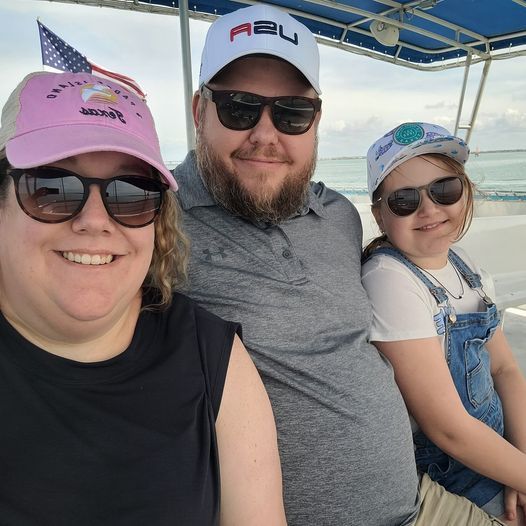
Rob Amanda and Evelyn Patoka
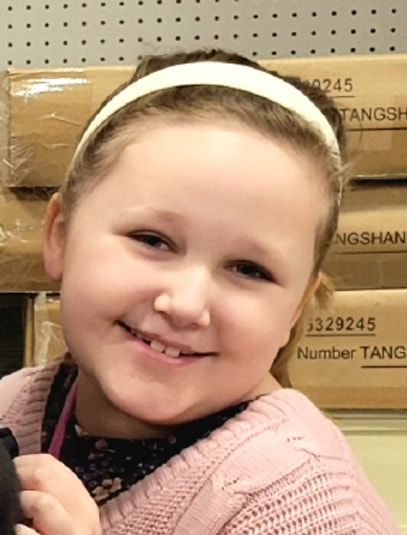
Evelyn Patoka
Events and Notes
- 2014BirthEvelyn Patoka was born on 27 Oct 2014 in Wisconsin, United StatesG.
Rolland Reinhart Engfer
#12448, Deceased, (1912 - 2000)
| Last Edited | 20 Apr 2024 |
Family Explorer
Photo Gallery
Events and Notes
- 1912
- Marriage | Marie Rita GrosserHe and Marie Rita Grosser were married.
- 199481Death of Spouse | Marie Rita GrosserHis wife Marie Rita Grosser died on 7 Feb 1994 in Minneapolis, Hennepin, Minnesota, United StatesG.
- 200087
- 200087BurialHe was buried in Mar 2000 in the Saints Peter and Paul's Catholic CemeteryG, in Belle Plaine, Scott, Minnesota, United StatesG+.
Find A Grave Memorial LinkCitation: 1
Citations
- [S828] FindAGrave.com, online website (www.findagrave.com : viewed online 2024), Memorial ID 72488696 for Rolland Reinhart Engfer. Hereinafter cited as Find A Grave, database and images.
Charles Dalrymple Farmer
#12449, Deceased, (1880 - 1951)
| Last Edited | 8 Jun 2024 |
Family Explorer
Photo Gallery
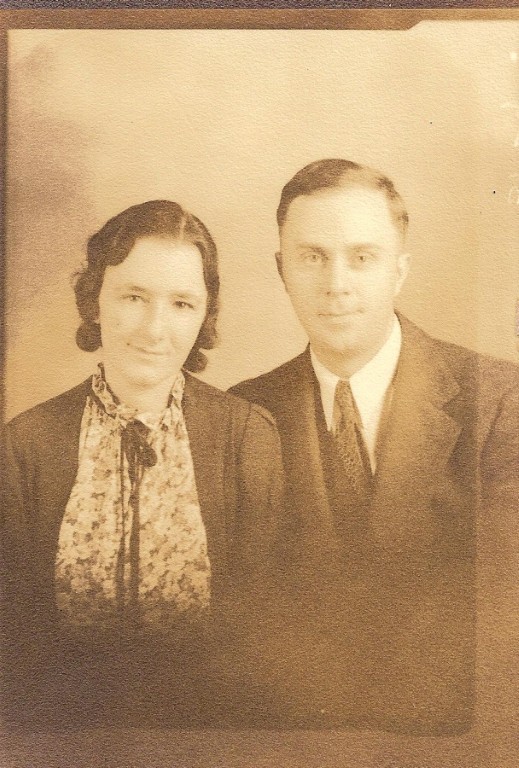
Charles D. and Maude A. Farmer
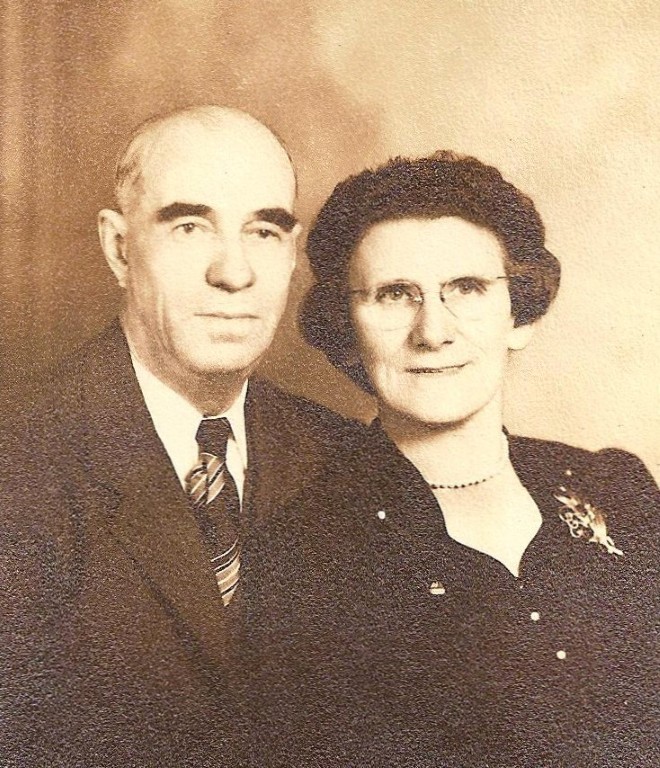
Charles D. and Maude A. Farmer2
Charles D. Farmer
Events and Notes
- 1880
- 191232Marriage | Maude A. Groskopp
 He and Maude A. Groskopp were married on 25 Nov 1912 in King, Washington, United StatesG.
 - 195170
- 1951BurialHe was buried on 5 Feb 1951 in the Calvary CemeteryG in Tacoma Junction, Pierce, Washington, United StatesG.
Find A Grave Memorial LinkCitation: 1 - 1974Death of Spouse | Maude A. GroskoppHis wife Maude A. Groskopp died on 24 Jun 1974 in Tacoma, Pierce, Washington, United StatesG.
Citations
- [S828] FindAGrave.com, online website (www.findagrave.com : viewed online 2024), Memorial ID 97775321 for Charles Deleremple Farmer. Hereinafter cited as Find A Grave, database and images.
- [S238] Ancestry.com online database, online https://www.ancestry.com, 1930 US Census. Hereinafter cited as Ancestry.com.
Elsie A. Holler
#12450, Deceased, (1895 - 1917)
Child with Ray Gordon Emery (1888 - 1938)
| Son | Infant son Emery (1917 - 1917) |
| Last Edited | 18 Aug 2024 |
Family Explorer
Photo Gallery
Events and Notes
- 1895
- 1916~21Marriage | Ray Gordon EmeryRay Gordon Emery and she were married abt 1916 in Illinois, United StatesG.
- 191722Birth of Child | Infant son EmeryHer son Infant son Emery was born on 9 Mar 1917 in Oak Park Hospital, Oak Park, Cook, Illinois, United StatesG.
- 191722Death of Child | Infant son EmeryHer son Infant son Emery died on 9 Mar 1917 in Oak Park Hospital, Oak Park, Cook, Illinois, United StatesG.
- 191722
- 191722BurialShe was buried in Mar 1917 in the Forest Home CemeteryG in Forest Park, Cook, Illinois, United StatesG.
Find A Grave Memorial LinkCitation: 1 - 1938Death of Spouse | Ray Gordon EmeryHer husband Ray Gordon Emery died on 1 Apr 1938 in Elgin, Kane, Illinois, United StatesG.
Census and Residence Events
- 191722Residence | Ray Gordon EmeryElsie, the wife of Ray Gordon Emery, lived at 7415 Dixon StreetG in Forest Park, Cook, Illinois, United StatesG, on 11 Mar 1917.Citation: 3
Citations
- [S828] FindAGrave.com, online website (www.findagrave.com : viewed online 2024), Memorial ID 124180889 for Elsie A. Emery. Hereinafter cited as Find A Grave, database and images.
- [S238] Ancestry.com online database, online https://www.ancestry.com, Illinois, Deaths and Stillbirths Index, 1916-1947. Hereinafter cited as Ancestry.com.
- [S234] Military Records, World War I Selective Service System Draft Registration Cards, 1917-1918, 4,582 Microfilm Rolls (Washington D.C.: National Archives and Records), citing Emery, Ray Gordon. Hereinafter cited as World War I Draft Registration Cards, (1917-1918.)